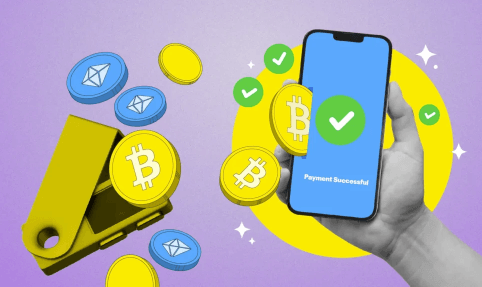
Crypto payment gateways act as intermediaries that convert customer cryptocurrency payments into usable funds for merchants, while managing risk controls, settlement timing, and compliance checks. They rely on wallets, keys, and nodes to secure provenance and enable auditable workflows. On-ramps and settlement realities create volatility and liquidity considerations that must be quantified. A skeptical, data-driven evaluation of fees, volatility exposure, and performance is essential to judge resilience and governance before adoption. The implications warrant careful scrutiny beyond surface promises.
What Crypto Payment Gateways Actually Do
Crypto payment gateways serve as intermediaries that convert customer cryptocurrency payments into usable funds for merchants, while handling risk controls, settlement timing, and compliance checks. They provide standardized APIs, automate reconciliations, and enforce crypto security protocols to reduce exposure.
Merchant onboarding experiences are scrutinized: identity verification, risk scoring, and policy enforcement, ensuring transaction integrity and operational transparency.
How Wallets, Keys, and Nodes Work in Practice
Wallets, keys, and nodes form the core primitives of practical cryptocurrency systems, with each component serving a distinct, verifiable function.
Observed behavior shows wallet keys grant authorisation, while nodes perform validation and broadcast.
Skepticism persists regarding security models and user error.
Efficient operation hinges on reliable node synchronization, robust key management, and clear provenance for transactions, ensuring auditable, censorship-resistant workflows.
See also: Low-Code Platforms for Business Innovation
From Crypto to Cash: Bridging On-Ramps and Settlement Realities
On-ramps and settlement mechanics are analyzed through the lens of operational realities: users convert digital assets to fiat via exchange services or custodial rails, while merchants and institutions face friction from fee structures, settlement times, and compliance requirements.
Bridging liquidity requires transparent pricing and synchronized settlement timelines, as asymmetries threaten treasury efficiency and user trust in crypto-to-cash workflows.
Choosing a Gateway: Fees, Volatility, Compliance, and Performance
In evaluating gateways, metric-driven criteria—fees, volatility exposure, compliance posture, and performance metrics—must anchor selection decisions after clarifying the prior discussion of on-ramp mechanics and settlement timelines.
A skeptical, data-driven lens compares gateways by fees volatility, compliance performance, and operational reliability, prioritizing transparency over marketing claims and emphasizing risk-adjusted cost and resilience for freedom-seeking users.
Frequently Asked Questions
How Is Customer Privacy Preserved by Crypto Payment Gateways?
Privacy preserving techniques minimize data exposure by separating merchant and consumer identifiers; off chain settlements reduce on-chain traces. The analysis remains skeptical about reliability, noting potential metadata leaks and opaque auditability, yet appeals to freedom-oriented users seeking transactional autonomy.
Do Gateways Support Multi-Cryptocurrency Settlement Beyond Bitcoin and Ethereum?
Gateways often claim multi cryptocurrency support beyond Bitcoin and Ethereum, but settlement capabilities vary; users should verify asset lists and processing times, as theoretical breadth may fade to limited, vendor-dependent settlement realities—ironically precise, yet freedom-tinged skepticism persists.
Can Gateways Refund in Fiat After a Crypto Payment Is Completed?
Gateways typically do not refund in fiat after a crypto settlement; refunds depend on the provider’s refund policy and merchant agreement. Data-driven evaluation shows fiat settlement is uncommon post-transaction, raising skepticism about consumer flexibility within refund policy constraints.
What Are the Audit and Security Certifications for Gateways?
Audit certifications and security standards vary by provider, but audits—SOC 2, ISO 27001, PCI DSS—are common, while pen-testing and bug-bounty programs remain optional. Skeptical data shows compliance ≠ invulnerability; freedom-minded users still demand rigorous transparency.
How Do Chargebacks Work With Crypto Transactions?
Chargebacks do not apply in standard crypto transactions; disputes are often off chain, handled per protocol or platform policies. The chargebacks myth persists, with skepticism toward reversal guarantees. Users seeking freedom should monitor transaction finality and merchant agreements.
Conclusion
In sum, crypto payment gateways present a measured, incremental value proposition rather than a panacea. The data suggest notable advantages in automation and settlement visibility, tempered by persistent volatility, fee variability, and compliance overhead. While operational resilience and risk controls improve with standardized APIs and auditable provenance, stakeholders should remain prudent, treating on-ramp and off-ramp mechanics as potential frictions rather than seamless accelerants. Overall, gateways offer structured reliability, with caveats that warrant careful, data-driven due diligence.
