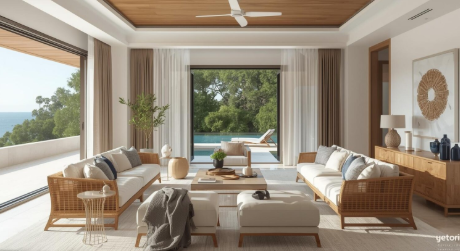
A beautifully designed home in a coastal city does not rely on furniture alone to feel refined. In many homes, the real difference comes from how light moves through the space, softens hard edges, and supports everyday comfort. Thoughtful interior design Mangalore projects often use lighting to shape mood, improve depth, and make rooms feel far more polished without changing the entire layout.
In homes where humidity, overcast monsoon days, and mixed-use family spaces all influence design choices, lighting becomes part of the architecture rather than an afterthought. Good interior design Mangalore planning treats light as a practical design tool that can improve how materials look, how large rooms feel, and how comfortably the home functions from morning through late evening.
Coastal Homes Feel Better When Lighting Supports Mood, Not Just Visibility
Softness Starts With The Way Light Meets Surfaces: Coastal homes often have bright daylight at some hours and muted grey light at others, which can make the interiors feel inconsistent if the lighting plan is too basic. A well-designed scheme balances that shift. In many homes, carefully placed fixtures help walls, flooring, and furniture feel calmer and more cohesive throughout the day rather than harsh or flat.
Harsh Overhead Light Often Works Against Comfort: A single bright ceiling light may illuminate a room, but it rarely makes it feel inviting. Strong top-down glare can flatten textures, cast unflattering shadows, and make living spaces feel clinical by evening. In everyday design practice, interior teams often see attractive rooms lose warmth simply because the lighting was treated as a final purchase instead of an early design decision.
Layered Lighting Creates Depth That One Fixture Cannot
Different Activities Need Different Kinds Of Light: A living room may need ambient light for general use, task light for reading, and accent light to highlight artwork or display shelving. That is where layered lighting changes the experience of a home. Instead of flooding a room with one source, it creates levels of brightness that feel controlled, comfortable, and visually richer.
The Home Looks More Expensive When Light Is Deliberate: Rooms tend to look higher-end when lighting appears integrated rather than improvised. A dining area feels more composed with a pendant placed to define the table, while concealed lights can make joinery feel custom-built. This matters in premium residential work because finishes such as wood veneers, textured fabrics, and even White Vietnam marble look far better when the light is planned around them.
Warm, Diffused Light Suits Mangalore’s Climate And Materials Better
Warm Tones Help Counter Grey Monsoon Conditions: During long wet spells, interiors can feel dim even in homes with decent windows. Warm, diffused lighting offsets that heaviness and keeps the house feeling settled rather than dull. A softer colour temperature also works well with timber, neutral upholstery, stone finishes, and earthy palettes that are common in coastal homes where comfort matters as much as appearance.
Natural Daylight Still Needs A Design Strategy Indoors: Homes with good windows do not automatically feel bright in the right way. Natural lighting in home design works best when furniture placement, window treatments, reflective surfaces, and artificial lighting are planned together. Light should move across the room without glare, dead corners, or sudden dark patches, especially in family homes where spaces need to stay usable from early morning to night.
Good Lighting Improves Function As Much As Appearance
Task Areas Need Precision Rather Than General Brightness: Kitchens, wardrobes, study corners, and vanity areas need focused light to work properly. A beautiful room still becomes frustrating if chopping, dressing, reading, or getting ready requires strain. Under-cabinet strips, mirror lighting, and directed bedside fixtures make daily routines easier and safer, and they prevent the home from relying on one central fitting to solve every problem.
Poor Planning Limits What A Room Can Become Later: Lighting decisions made too late often force compromises in furniture layout, false ceiling design, and storage detailing. Once electrical points are fixed without a wider plan, options narrow quickly. A room that could have supported reading, entertaining, and relaxed evening use may end up serving only one purpose well, which reduces both comfort and the long-term value of the design investment.
The Better Choice Is Rarely Brighter Light, But Smarter Placement
Decorative Fixtures Alone Cannot Carry The Entire Room: Statement pendants and chandeliers can add personality, but they are not a complete lighting strategy. They often work best as one layer within a wider plan. In many interior design Mangalore projects, the most successful spaces use decorative lighting for visual character and supporting fixtures for comfort, balance, and function across changing weather and routines.
Cool White Lighting Can Make A Home Feel Harder Than It Is: Some homeowners choose brighter, cooler lights assuming they will make the space look cleaner or larger. In reality, cool light can make warm materials feel stark and reflective surfaces feel severe. Warmer schemes with controlled intensity usually offer a better balance for homes that need to feel restful, elegant, and practical at the same time.
See also: Low-Code Platforms for Business Innovation
Where Lighting Delivers The Biggest Everyday Return
The Best Results Come From Lighting The Rooms People Actually Use: Not every corner needs the same investment, so a practical plan focuses on the spaces that shape daily life and first impressions most. In interior design Mangalore, lighting often has the strongest effect when it improves the rooms below:
- Living rooms, where layered light can support entertaining, television viewing, and quiet evening use without glare.
- Dining spaces, where focused lighting defines the table and makes the room feel more intentional.
- Kitchens, where task lighting improves visibility at counters, sinks, and preparation zones.
- Bedrooms, where softer lighting supports winding down and reduces dependence on one harsh ceiling light.
- Entry areas and passageways, where lighting can immediately make the home feel larger, calmer, and better designed.
FAQs About Lighting And Interior Design Mangalore
Can better lighting really make a small home feel larger?
Yes, good lighting can visually expand a room by reducing dark corners, highlighting vertical surfaces, and creating clearer layers within the space. A small room often feels bigger when light is distributed thoughtfully rather than concentrated in one bright central point. Placement matters just as much as fixture style or brightness.
Is warm lighting always better for residential interiors?
Warm lighting is often more comfortable in living rooms, bedrooms, and dining spaces because it flatters materials and creates a softer mood. It is not the only option for every room, though. Functional zones such as study areas or kitchen worktops may benefit from a slightly clearer tone, depending on how the space is used.
When should lighting be planned during an interior project?
Lighting should ideally be planned at the design stage, before electrical points, false ceilings, and furniture details are finalised. Early planning allows the lighting layout to support the room properly instead of reacting to fixed limitations later. It also reduces rework and helps avoid awkward fixture placement once the home is nearly complete.
Does lighting matter even if a home gets plenty of daylight?
Yes, because daylight changes throughout the day and across seasons, especially in coastal climates. A home may feel bright at noon and dim by late afternoon, or certain corners may stay underlit despite large windows. Artificial lighting fills those gaps and helps the home remain functional, balanced, and visually pleasant after sunset.
A Home Feels Finished When Light Is Planned With Intention
The right lighting does more than brighten a room. It makes the home feel calmer, more usable, and far more refined in daily life. Waiting until the end of a project often leads to compromises that are expensive to undo later. For homeowners planning a new space or a redesign, the smartest next step is to speak with a design team that can shape the lighting plan as part of the home from the beginning.
