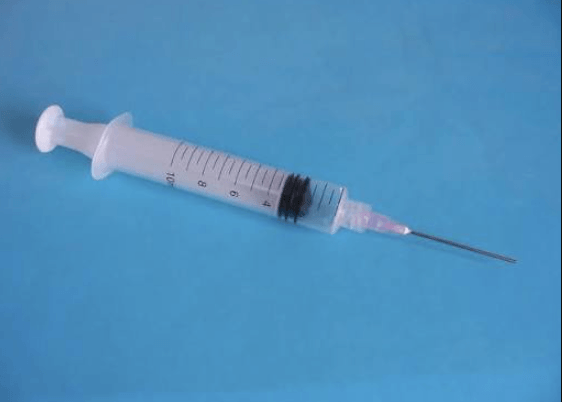
Nurses and clinicians rarely get formal training on syringe design, yet they handle dozens of them every shift. Knowing the type of syringe in your hand affects everything from how you draw up medication to how you dispose of it afterward. This piece walks through the practical differences that matter at the bedside.
Reading a Syringe Before You Use It
Before drawing up any medication, check the barrel markings, the tip style, and whether the plunger has a rubber stopper in good condition. A cracked or dry stopper can cause air to leak in, which throws off dosing accuracy in ways that aren’t always visible at a glance.
Insulin Syringes vs Standard Syringes
Insulin syringes are marked in units rather than milliliters, and using a standard syringe for insulin can lead to serious dosing errors. The needle gauge on insulin syringes also tends to be finer, since insulin is injected into subcutaneous tissue rather than muscle.
Safety-Engineered Syringes
Many facilities now require safety syringes with sliding sheaths or automatic needle retraction, largely driven by workplace injury regulations. These designs add a small amount of bulk but significantly cut down on accidental sharps injuries among staff.
Oral and Enteral Syringes
Oral syringes are purposely incompatible with IV lines, a design choice meant to prevent a liquid medication meant for the mouth from accidentally being injected. Enteral syringes carry a similar mismatched connector for feeding tube safety.
See also: Low-Code Platforms for Business Innovation
Storage and Shelf Life
Syringes stored in extreme heat or direct sunlight can degrade faster than their labeled expiration suggests, so stockroom placement matters as much as the purchase date.
Additional Resource
For a more detailed side-by-side comparison of types of syringe it’s worth checking a dedicated reference before restocking your unit.
Frequently Asked Questions
Why do insulin syringes use units instead of mL?
Insulin dosing is standardized in units for precision and consistency across different insulin concentrations, which reduces the risk of mixing up doses.
Is it safe to reuse a syringe between patients?
No. Single-use syringes are designed for one patient, one use, regardless of whether the needle is changed, because internal contamination risk remains.
What should I do if a syringe plunger feels stiff?
Discard it and grab a replacement. A stiff plunger can indicate a manufacturing defect or degraded seal that may compromise accurate dosing.
Conclusion
Syringes might seem interchangeable at first glance, but the small design differences between insulin, oral, safety-engineered, and standard syringes carry real clinical weight. Taking a moment to confirm you have the right type in hand is a small habit that prevents outsized problems down the line.
