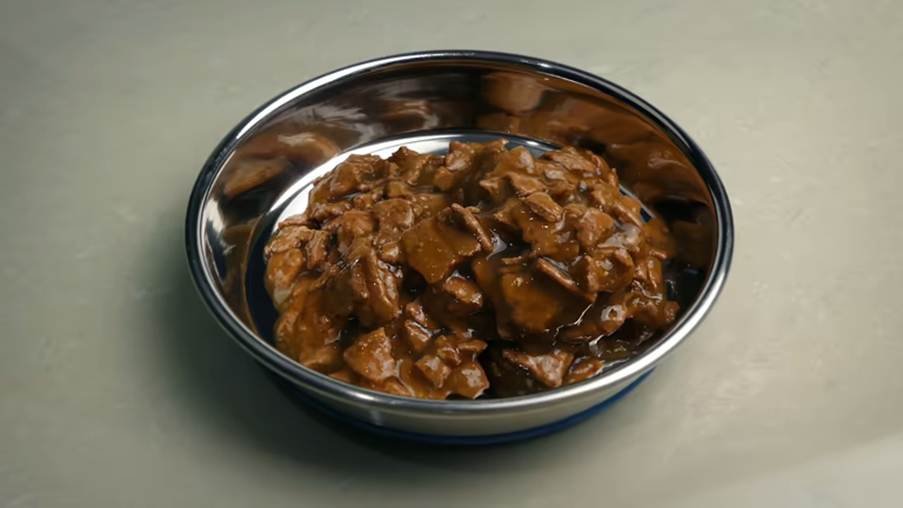
Cooked beef liver for cats is one of those foods that often sparks debate among pet owners. On one hand, it is packed with nutrients and can be an excellent natural treat. On the other hand, it must be fed carefully because too much liver can create nutritional imbalances. Understanding how to safely include cooked beef liver in your cat’s diet is important if you want to use it as a healthy supplement rather than a risk.
Cats are obligate carnivores, which means their bodies are designed to thrive on animal-based proteins. Organ meats like liver are naturally rich in nutrients that align with a cat’s biological needs. However, moderation and proper preparation are key.
What Makes Cooked Beef Liver for Cats So Nutritious?
Cooked beef liver is considered a nutrient-dense food. Even a small portion contains a wide range of essential vitamins and minerals that support feline health.
The most important nutrients found in beef liver include:
- High-quality animal protein
- Vitamin A (supports vision and immune system)
- Iron (helps maintain healthy red blood cells)
- B vitamins, especially B12 (supports energy and nervous system)
- Copper and zinc (important for skin and coat health)
Because cats require nutrient-rich diets in small quantities, liver can act as a powerful supplement when used correctly.
From a nutritional perspective, cooked beef liver is far more concentrated than muscle meat. This is why it should never replace a cat’s main diet but can be used as an occasional boost.
See also: What to Check Before Choosing Around How to Get Zepbound Online
Health Benefits of Cooked Beef Liver for Cats
When fed properly, cooked beef liver for cats offers several health advantages. These benefits are most noticeable when liver is used as a treat or supplement rather than a daily meal.
1. Supports Healthy Vision and Immunity
The high vitamin A content in beef liver supports eye health and strengthens the immune system. Cats rely on vitamin A for maintaining good vision, especially in low light conditions.
2. Boosts Energy Levels
B vitamins, particularly B12, play a major role in energy production. Cats that receive small amounts of liver may show improved vitality and activity levels.
3. Promotes Healthy Skin and a Shiny Coat
Nutrients like zinc and essential fatty acids in liver help maintain skin health. Regular but controlled feeding may result in a shinier and softer coat.
4. Helps Maintain Healthy Blood
Iron in beef liver supports the production of red blood cells. This can be beneficial for cats recovering from illness or those with mild nutritional deficiencies.
5. Highly Palatable Treat
Most cats are naturally attracted to the strong smell and taste of liver. This makes it an effective high-value treat for training or encouraging appetite in picky eaters.
Risks of Feeding Cooked Beef Liver for Cats
Despite its benefits, cooked beef liver is not risk-free. Overfeeding or improper preparation can lead to health issues.
Vitamin A Toxicity
One of the biggest concerns is excess vitamin A. Cats do not need large amounts of liver regularly. Too much can lead to vitamin A toxicity, which may cause:
- Bone deformities
- Joint pain
- Weight loss
- Digestive issues
- Muscle weakness
This condition usually develops over time due to excessive feeding.
Digestive Upset
Liver is rich and heavy for the digestive system. Feeding too much at once can cause:
- Diarrhea
- Vomiting
- Stomach discomfort
Nutritional Imbalance
If liver replaces too much of a cat’s regular food, it can throw off the balance of calcium, phosphorus, and other nutrients needed for long-term health.
Quality and Preparation Risks
Poor-quality liver or improper cooking can introduce bacteria or harmful residues. Always ensure the liver is fresh and properly cooked without seasoning.
Proper Way to Prepare Cooked Beef Liver for Cats
Preparation plays a big role in safety. Cats should never eat raw or heavily seasoned liver.
Cooking Guidelines:
- Boil, steam, or lightly pan-cook the liver
- Avoid salt, spices, garlic, onions, or oils
- Cook until fully done but not overcooked or burnt
- Allow it to cool completely before serving
- Cut into small, bite-sized pieces
Avoid frying or adding butter, as fats and seasonings can upset your cat’s stomach.
How Much Cooked Beef Liver Can Cats Eat?
Portion control is the most important factor when feeding cooked beef liver for cats.
General feeding guideline:
- Small cats: 1–2 small bites, 1–2 times per week
- Medium cats: 2–3 small bites, 1–2 times per week
- Large cats: slightly larger portion, still limited to a few times weekly
Liver should make up no more than 5% of the cat’s total diet.
It is best treated as an occasional reward rather than a regular food item.
Best Ways to Serve Cooked Beef Liver for Cats
There are several safe and simple ways to include liver in your cat’s diet without overdoing it.
As Training Treats
Cut liver into tiny cubes and use them as high-value rewards during training sessions.
Mixed with Regular Food
Add a small amount of chopped liver to your cat’s regular wet food to enhance flavor.
Freeze-Dried Storage Option
You can cook liver, cut it into portions, and freeze it for later use. This helps control serving size and prevents overfeeding.
Occasional Meal Topper
Use liver as a topping to encourage picky cats to eat their main meal.
Signs Your Cat May Be Eating Too Much Liver
It is important to watch for warning signs if liver is given too frequently.
Possible signs include:
- Loss of appetite
- Joint stiffness or discomfort
- Digestive upset
- Behavioral changes like lethargy
- Weight fluctuations
If any of these symptoms appear, stop feeding liver immediately and consult a veterinarian.
Who Should Avoid Cooked Beef Liver?
Not all cats should be given liver, especially without veterinary advice. It may not be suitable for:
- Cats with liver disease
- Cats on restricted diets
- Cats with vitamin A sensitivity
- Senior cats with chronic joint issues
In these cases, safer treat alternatives should be considered.
Final Thoughts
Cooked beef liver for cats can be a powerful nutritional addition when used responsibly. It offers protein, essential vitamins, and minerals that support overall health, energy, and coat condition. However, because of its high nutrient concentration, it must always be fed in small, controlled portions.
Think of cooked beef liver as a supplement or treat—not a staple food. When balanced correctly with a complete cat diet, it can be a valuable way to boost nutrition and keep your cat happy and healthy without risking long-term health issues.
