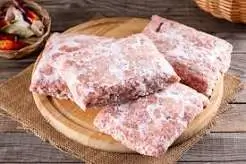
The debate between choosing frozen or fresh beef often comes down to assumptions that haven’t kept pace with modern food technology, and Hong Kong shoppers weighing this decision benefit from understanding what genuinely distinguishes these options today rather than relying on outdated conventional wisdom.
Revisiting Common Assumptions About Frozen Meat
Many shoppers still associate frozen beef with lower quality, imagining tough, watery meat that pales in comparison to fresh options, but this perception largely reflects older, slower freezing methods rather than the flash-freezing technology commonly used today, which minimizes the ice crystal formation responsible for the texture degradation people associate with inferior frozen products.
How Flash Freezing Preserves Meat Quality
The key technical difference lies in freezing speed: rapid flash freezing creates much smaller ice crystals within the meat’s cellular structure compared to slower conventional freezing, meaning less cellular damage occurs and consequently less moisture loss happens during eventual thawing, helping properly flash-frozen frozen beef hong kong suppliers offer maintain texture much closer to fresh meat than older freezing methods could achieve.
Practical Advantages Frozen Beef Offers
Beyond quality considerations, frozen beef offers genuine practical advantages for Hong Kong’s lifestyle, including extended storage life allowing flexible meal planning, reduced food waste since portions can be used as needed rather than requiring immediate consumption, and often more consistent pricing compared to fresh meat markets that can experience more volatile day-to-day pricing.
When Fresh Beef Still Makes Sense
Despite frozen beef’s advantages, certain situations still favor fresh options, particularly when you plan to cook the meat within a day or two of purchase and prioritize the specific textural qualities some cooks associate with never-frozen meat, or when sourcing from a trusted local butcher provides quality assurance and personal relationship value that some shoppers specifically seek.
Nutritional Comparison Between Fresh and Frozen Options
Nutritionally, properly frozen beef retains essentially the same protein, vitamin, and mineral content as fresh beef, since freezing itself doesn’t meaningfully degrade these nutritional components, meaning shoppers choosing frozen beef for convenience aren’t sacrificing nutritional value compared to fresh alternatives.
Making an Informed Choice Based on Your Cooking Needs
Rather than viewing this as a strict either-or decision, many Hong Kong households find value in using both options strategically, keeping frozen beef on hand for flexible weeknight meal planning while occasionally purchasing fresh beef for specific dishes or special occasions where the shopping experience itself holds particular value.
See also: Low-Code Platforms for Business Innovation
Taste Testing Your Own Comparison
Shoppers uncertain about frozen beef quality might benefit from conducting their own direct comparison, preparing the same dish using both fresh and quality frozen beef to form personal judgment based on actual results rather than general assumptions, often finding the difference far less noticeable than expected when using properly sourced and handled frozen products.
Conclusion
The quality gap between fresh and frozen beef has narrowed considerably thanks to modern flash-freezing technology, making frozen beef a genuinely viable, often advantageous choice for Hong Kong shoppers balancing quality expectations with practical lifestyle needs. Understanding these current realities helps shoppers make choices based on actual product quality rather than outdated assumptions.
FAQs
Q1: Why does flash freezing produce better quality than older freezing methods? Rapid freezing creates smaller ice crystals within the meat’s cellular structure, causing less cellular damage and moisture loss during thawing compared to slower conventional freezing methods.
Q2: Does frozen beef have different nutritional value than fresh beef? No, properly frozen beef retains essentially the same protein, vitamin, and mineral content as fresh beef, since freezing doesn’t meaningfully degrade these nutritional components.
Q3: When might fresh beef still be the better choice? When planning to cook within a day or two of purchase, or when specific textural preferences or a trusted butcher relationship hold particular value for a specific dish or occasion.
