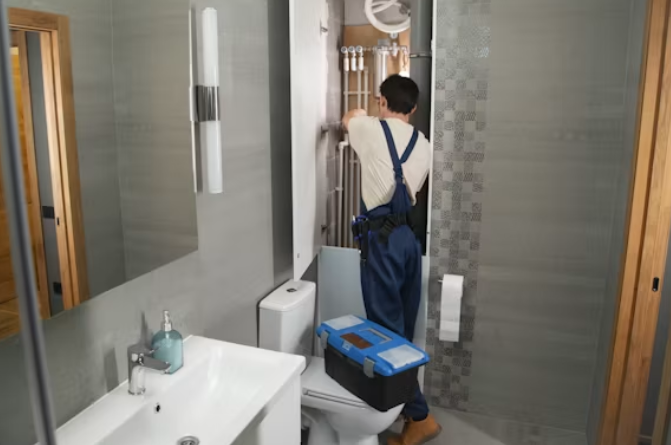
Recurring plumbing problems rarely resolve on their own, and sewer line repair often becomes the missing step that homeowners delay until disruption becomes unavoidable. What looks like a simple clog can signal deeper structural issues underground, where cracks, root intrusion, or pipe collapse continue to trigger repeated backups and slow drainage time and time again.
A lasting solution begins when sewer line repair is treated as a system-level correction rather than a one-time fix. Addressing the full pipe condition prevents recurring blockages, restores consistent flow, and reduces the need for emergency visits. Sewer line repair supports long-term plumbing stability, which directly benefits household function, hygiene, and overall property reliability.
Why Temporary Fixes Fail to Stop Recurring Problems
Hidden Pipe Damage Drives Repeat Issues: Recurring drain problems persist because surface-level fixes never address the underlying pipe condition. Blockages return when debris builds around cracks or misaligned joints, restricting flow again within weeks. drainage issues often indicate structural pipe damage rather than simple buildup, meaning cleaning alone cannot restore long-term performance.
Short-Term Clearing Masks Deeper Failure: Drain cleaning removes immediate obstructions but leaves weakened pipe sections unchanged. Over time, compromised areas collect waste faster, creating a cycle of repeated slowdowns and backups. Homeowners often mistake temporary improvement for resolution, which delays corrective action and increases the likelihood of larger system disruption later.
The Real Cost of Repeated Backups and Emergency Visits
Frequent Repairs Increase Total Expense: Repeated service calls, emergency cleanups, and temporary fixes often exceed the cost of a single permanent solution. Each visit addresses symptoms without correcting pipe integrity. In regions where plumbing system compliance Texas standards apply, unresolved sewer issues can also create regulatory concerns during inspections or property transactions.
Emergency Situations Disrupt Daily Living: Sewer backups affect essential routines like cooking, cleaning, and bathroom use. These disruptions carry indirect costs, including time lost, property damage, and sanitation concerns. In everyday plumbing service practice, technicians regularly encounter homes where delayed repair led to extensive interior cleanup that could have been avoided with earlier intervention.
How Permanent Repair Strengthens the Entire Plumbing System
System-Wide Flow Improves After Repair: Sewer line repair restores consistent waste movement across all connected fixtures, reducing pressure on individual drains. When the main line functions correctly, sinks, toilets, and showers operate without recurring slowdowns. Persistent drainage issues often resolve fully once the primary line is structurally sound.
Structural Integrity Prevents Future Blockages: Repaired or replaced sewer lines eliminate entry points for roots, debris, and soil intrusion. This creates a stable pathway for waste removal and reduces the likelihood of recurring clogs. Over time, improved pipe integrity supports better system efficiency and reduces maintenance frequency.
Why Waiting Narrows Your Options Over Time
Damage Progresses Beneath the Surface: Small cracks expand under soil pressure and moisture exposure, gradually weakening the pipe. What begins as a minor obstruction can evolve into a full collapse that requires more extensive excavation. In areas governed by plumbing system compliance Texas, unresolved damage may also affect code adherence and delay property improvements.
Delays Limit Repair Flexibility: Early-stage sewer line repair may allow for less invasive methods such as localized fixes or trenchless solutions. Once deterioration advances, full replacement becomes more likely. Acting sooner preserves more options and reduces the overall scope of work required to restore functionality.
Comparing Temporary Fixes and Permanent Sewer Solutions
Drain Cleaning Provides Short-Term Relief: Basic cleaning removes immediate obstructions and restores flow temporarily. It works best for isolated buildup but does not correct pipe defects. Recurring sewer problems often return quickly when structural problems remain unaddressed beneath the surface.
Sewer Line Repair Delivers Long-Term Stability: Sewer line repair addresses root causes such as cracks, corrosion, or alignment failure. While the upfront investment may be higher, it eliminates repeat service costs and restores dependable system performance. This makes it the practical choice for homeowners facing recurring disruptions.
Long-Term Value Beyond Immediate Repair
Reliable Plumbing Supports Daily Comfort: A fully functional sewer line allows uninterrupted use of water systems, improving household convenience and sanitation. Consistent flow reduces stress on fixtures and minimizes unexpected disruptions that affect daily routines.
Preventive Investment Protects Property: Sewer line repair protects foundations, landscaping, and interior spaces from water damage caused by backups or leaks. Over time, preventing repeated issues preserves both structural integrity and long-term maintenance budgets, making it a cost-effective decision rather than a reactive expense.
Key Signs and Considerations Before Problems Escalate
Early Warning Signs Indicate Deeper Issues: Recognizing patterns early helps prevent repeated disruption and costly repairs. Sewer line repair becomes necessary when symptoms appear consistently across multiple fixtures rather than isolated drains.
- Multiple drains backing up at the same time indicate a main line issue rather than a localized clog.
- Persistent foul odors suggest waste is not moving efficiently through the system.
- Slow drainage across the home signals buildup or structural restriction in the main line.
- Frequent need for professional cleaning points to unresolved pipe damage.
- Gurgling sounds from drains reflect trapped air caused by improper flow within the system.
See also: Low-Code Platforms for Business Innovation
Frequently Asked Questions About Sewer Line Repair
How do homeowners know sewer line repair is necessary instead of simple cleaning?
Sewer line repair becomes necessary when issues affect multiple drains, return quickly after cleaning, or involve structural symptoms like recurring backups and odors. These patterns indicate deeper pipe damage rather than surface-level blockages, requiring a more permanent solution to restore proper system function.
What factors influence the cost of sewer line repair?
Cost depends on pipe condition, repair method, depth, and accessibility. Minor localized repairs cost less than full replacements. Trenchless methods may reduce labor and restoration costs. The overall expense often balances out when compared to repeated temporary fixes and ongoing maintenance.
How long does sewer line repair typically take?
Most sewer line repair projects are completed within one to three days, depending on complexity and method used. Trenchless repairs are often faster, while traditional excavation may take longer. Timelines also depend on inspection results and site conditions.
Can sewer line problems affect the entire home plumbing system?
Yes, the main sewer line connects all household drains, so any blockage or damage impacts overall performance. Issues in this line can cause backups, slow drainage, and pressure imbalances across multiple fixtures, making repair essential for restoring full system functionality.
Restore Stability Before Disruption Returns
Sewer line repair prevents repeated disruption by addressing the root cause instead of temporary symptoms. Delaying action increases repair complexity and extends the cycle of inconvenience. A professional assessment clarifies the condition of the system and identifies the most effective solution. Schedule an inspection today to restore consistent flow and avoid repeated disruptions.
